
Did you know that over 80% of DIY enthusiasts feel a deep sense of accomplishment after completing a project with their own hands? Crafting something from scratch isn’t just about the final product—it’s about the journey and the skills you gain along the way. I’ll share intermediate woodworking projects that you can try today.
Whether you’re using reclaimed wood or pressure-treated lumber, there’s a project out there for everyone. From simple home decor to functional tools, the possibilities are endless. I’ve always found joy in creating something unique, and I’m excited to share that passion with you.
In this guide, you’ll find detailed plans, step-by-step instructions, and tool recommendations for every build. Whether you’re looking to enhance your skills or add a personal touch to your living space, this listicle is packed with creative ideas to inspire your next project.
Key Takeaways
- Creating your own projects is both satisfying and educational.
- Materials like reclaimed wood and pressure-treated lumber offer versatility.
- Detailed plans and tool recommendations make every build easier.
- Building something with your hands adds a personal touch to your space.
- Explore creative ideas to enhance both your skills and your home.
Introduction
There’s something magical about turning raw materials into something functional and beautiful. My journey into woodworking began with a simple shelf and grew into a passion for creating unique pieces. Along the way, I’ve learned valuable skills and gained confidence in my abilities.
My Journey into Woodworking
I started with basic diy projects, like a small bookshelf. Each build taught me something new, from measuring accurately to choosing the right tools. Over time, I tackled more complex designs, like a custom coffee table. Every project brought a sense of accomplishment and a desire to learn more.
“The best way to learn is by doing. Every mistake is a lesson, and every success is a step forward.”
What You Can Expect from This Guide
This guide is designed to make your woodworking journey enjoyable and educational. You’ll find detailed plans, step-by-step instructions, and tips for every project. Whether you’re a beginner or looking to refine your skills, this guide has something for you.
Here’s a quick overview of the essential tools you’ll need to get started:
| Tool | Purpose |
|---|---|
| Circular Saw | Cutting wood pieces to size |
| Drill | Creating holes and assembling parts |
| Sander | Smoothing surfaces for a finished look |
| Tape Measure | Ensuring accurate measurements |
Building your own projects is not just about saving money—it’s about the satisfaction of creating something with your own hands. Let’s dive in and explore the possibilities together!
Benefits of DIY Woodworking Projects
Building your own creations offers both practical and emotional rewards. One of the biggest advantages is cost savings. By crafting your own pieces, you eliminate labor costs and get custom solutions tailored to your needs. For example, building a custom table can be far more affordable than buying one, and it’s uniquely yours.
There’s also a deep sense of satisfaction that comes from completing a project. Seeing your hard work come to life is incredibly rewarding. Studies show that 70% of DIY enthusiasts feel a sense of accomplishment after finishing a project. It’s not just about the final product—it’s about the journey and the skills you gain along the way.
DIY projects are also a great way to learn. Each build teaches you something new, from measuring accurately to using the right tool. Over time, you’ll enhance your skills and build a collection of essential tools that make future projects easier. As one enthusiast put it,
“Every mistake is a lesson, and every success is a step forward.”
Another benefit is the stress-relieving nature of creative work. Focusing on a project can help clear your mind and reduce stress. Plus, the practical function it adds to your home is a bonus. Whether it’s a cutting board for the kitchen or a functional table for the living room, these pieces serve a purpose while reflecting your personal style.
Finally, self-made projects add unique character to your space. Unlike store-bought items, handmade pieces have a story and a personal touch. They can be treasured for years and even passed down as heirlooms. So, grab your tools and start creating—your home and your mind will thank you.

Setting Up Your Workspace & Essential Tools
Creating a functional and organized workspace is the first step toward mastering any craft. A well-planned area not only boosts productivity but also ensures safety. Whether you’re building a dog feeder or a custom table, having the right setup makes all the difference.
Essential Tools Checklist
Every woodworker needs a set of reliable tools to bring their ideas to life. Here’s a quick checklist to get you started:
- Circular Saw: Perfect for making accurate cuts.
- Drill: Essential for assembling parts and creating holes.
- Sander: Smooths surfaces for a polished finish.
- Tape Measure: Ensures precision in every measurement.
Investing in quality tools is a smart way to enhance your skill and efficiency. Over time, you’ll build a collection that makes every project easier.
Tips for a Functional Workspace
An organized workspace is key to staying productive. Start by arranging your woodworking tools in a way that’s easy to access. Use pegboards or tool chests to keep everything in place.
Your workbench should be at a comfortable height—around 30 to 36 inches. This allows your elbows to bend slightly when working. Adequate lighting is also crucial. Fluorescent lights are bright and energy-efficient.
For larger workshops, consider a centralized dust collection system. It keeps the air clean and protects your health. As one expert said,
“A well-set-up workspace transforms ideas into tangible creations.”
Even simple projects, like a dog feeder, require careful planning. By setting up your workspace the right way, you’ll develop the skill to tackle any challenge with confidence.
Mastering Wood Materials & Moisture Content
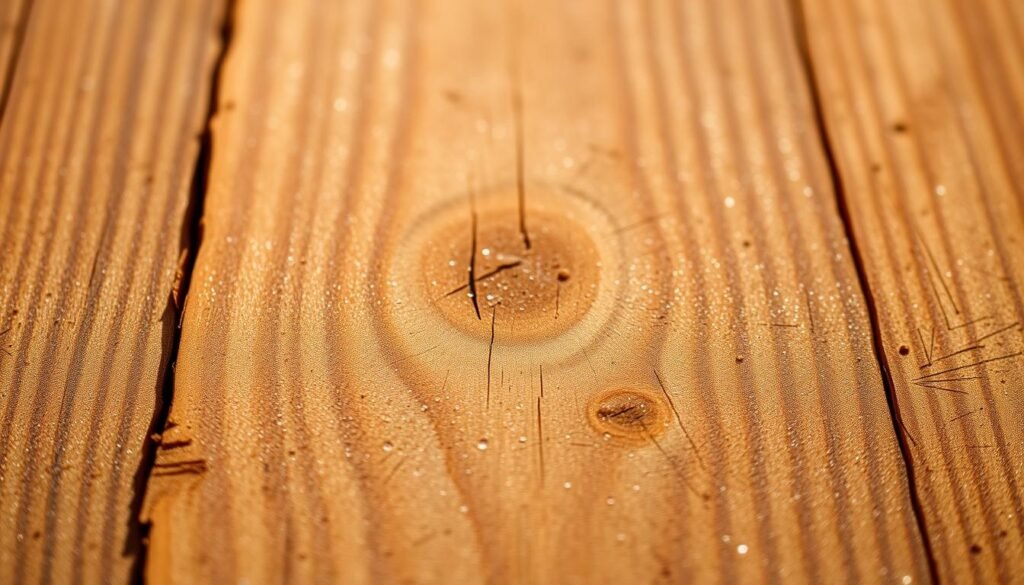
Understanding the properties of wood is the foundation of any successful build. One of the most critical factors to consider is moisture content. Wood that’s too wet or too dry can lead to warping, cracking, or other issues that compromise your project’s durability.
Understanding Wood Moisture Guidelines
For indoor projects, like a shelf or storage unit, the ideal moisture content is between 6-8%. Outdoor projects, however, require slightly higher levels, around 9-14%, to account for environmental changes. Properly dried wood ensures your build remains stable over time.
Using a moisture meter is the best way to check wood before starting. This tool gives you an accurate reading, helping you avoid costly mistakes. As one experienced builder shared,
“Taking the time to measure moisture content can make or break your project.”
Selecting the right wood is just as important as the design itself. For example, hardwoods like oak or maple are less likely to warp, making them ideal for long-lasting pieces. Softwoods, while more affordable, may require extra care to prevent damage. This can be tricky when working on woodworking plans for beginners.
Here are some key tips to ensure your wood is ready for use:
- Store wood in a dry, well-ventilated area before starting.
- Check moisture levels with a meter to confirm it’s within the recommended range.
- Seal the ends of boards to prevent splits and cracks during drying.
By focusing on material preparation, you’ll create one successful build after another. Whether it’s a shelf for your living room or a storage solution for your garage, the effort you put into selecting and preparing your wood will pay off in the final result.

Step-by-Step Guide to Woodworking Success
Every successful build starts with a clear plan and attention to detail. Whether you’re crafting a cabinet or a simple shelf, taking the time to prepare ensures your project turns out just right. Here’s how to approach your next creation with confidence.
Planning Your Project
Start with a sketch. Visualizing your design helps you understand the steps involved. For example, when building a cabinet, I always map out the dimensions and materials needed. This prevents surprises later on.
Break the project into smaller tasks. Cutting, assembling, and finishing are easier to manage when tackled one at a time. Allocate dedicated time for each step to avoid feeling overwhelmed.
Measure twice, cut once. Accuracy is crucial in every build. Use a tape measure and double-check your numbers before making any cuts. This simple habit saves materials and frustration.
Safety and Accuracy Tips
Safety should always come first. Wear protective gear like goggles and gloves, especially when using power tools. A secure workspace at home ensures you can focus on the task without distractions.
Maintain your tools. Sharp blades and well-oiled machines perform better and reduce the risk of accidents. Regularly inspect your equipment to keep everything in top shape. That’s especially more important when trying to grow a custom woodworking business.
Take breaks. Working for long stretches can lead to mistakes. Step away for a few minutes to clear your mind and return with fresh focus.
By following these steps, you’ll create a project that’s both functional and beautiful. Remember, the key to success is planning, patience, and precision. Happy building!

Beginner Woodworking Projects for a Warm-Up
Starting small is the best way to build confidence and master the basics. Simple projects like wall shelves, birdhouses, and cutting boards are perfect for beginners. These builds take just a day or even an hour to complete, making them ideal warm-ups.
I remember my first project—a basic cutting board. It taught me how to measure accurately and use essential tools. That small build gave me the confidence to tackle more complex designs later on. As one experienced builder once said,
“Every project, no matter how simple, is a step toward mastering the craft.”
Here’s a quick guide to some beginner-friendly projects:
| Project | Time to Complete |
|---|---|
| Wall Shelf | 1-2 hours |
| Birdhouse | 3-4 hours |
| Cutting Board | 1 day |
Each of these builds follows a step-by-step process. For example, a wall shelf starts with measuring and cutting wood, followed by sanding and assembling. These steps are designed to familiarize you with basic techniques and tools.
Starting small not only builds your skills but also prepares you for more advanced challenges. Whether it’s a birdhouse for your backyard or a cutting board for your kitchen, these projects are a great way to begin your journey. So grab your tools and start creating—your confidence will grow with every build!
Elevate Your Skills with Intermediate Woodworking Projects
Taking your skills to the next level involves tackling builds that challenge both your creativity and precision. These creations go beyond the basics, introducing more intricate techniques and tools. It’s like leveling up in a game, where each completed project feels like a win.
For example, building a custom bookshelf requires careful material selection and precise measurements. The process teaches you advanced joinery methods, like dovetail or mortise-and-tenon joints. Each step builds your confidence and expertise.
Another great option is a planter box. This project combines functionality with aesthetics, allowing you to experiment with design. Choosing the right material, such as cedar for outdoor durability, ensures your creation lasts for years. Following a detailed step-by-step plan makes the process smooth and enjoyable.
Here’s a quick look at some intermediate builds and their key features:
| Project | Key Skills Developed |
|---|---|
| Custom Bookshelf | Advanced joinery, precise measurements |
| Planter Box | Material selection, outdoor durability |
| Pet Bed | Curved cuts, finishing techniques |
Completing these builds is incredibly rewarding. As one enthusiast shared,
“Every project is a chance to learn something new and push your limits.”
These creations not only enhance your space but also your abilities. Gradually, you’ll tackle more complex techniques, like using a router for decorative edges or creating custom templates. It’s a game of patience and persistence, but the results are worth it.
Stepping out of your comfort zone is essential for growth. Whether it’s a bookshelf for your living room or a planter box for your garden, these builds elevate your craftsmanship. So, grab your tools, choose your material, and start building—your skills will thank you.
Creative Home Projects: Bookshelves & Storage Solutions
Transforming your home with handmade pieces adds both charm and functionality. Custom bookshelves and storage units are perfect examples of builds that blend practicality with aesthetic appeal. These projects not only organize your space but also serve as statement pieces that reflect your personal style.

Designing a bookshelf is a great way to combine storage and decor. For instance, a built-in bookshelf can maximize space while showcasing your favorite books and trinkets. According to recent trends, built-in bookshelves were among the top DIY projects of 2022. They offer up to 10 times more storage than traditional options, making them a smart choice for any home.
When planning your bookshelf, consider adjustable shelves for versatility. They simplify storage and display, allowing you to rearrange items as needed. Use materials like plywood or cedar for durability and a polished finish. As one DIY enthusiast shared,
“A well-designed bookshelf is both functional and a work of art.”
Storage solutions like custom racks and cabinets are equally rewarding. A mobile wooden cart with three shelves, for example, provides versatile storage for any room. For smaller spaces, a flip-top bench or a leaning plant ladder shelf can save space while adding a touch of decor.
Here are some tips for creating these projects:
- Choose wood that matches your home’s decor, such as oak for a classic look or pine for a rustic feel.
- Plan your design carefully, ensuring it fits your space and meets your storage needs.
- Use finishes like stain or paint to enhance the aesthetic appeal of your piece.
These builds are more than just storage solutions—they’re expressions of creativity. Whether it’s a bookshelf for your living room or a shoe rack woodworking project for your hallway, each project adds a unique touch to your home. So, grab your tools and start crafting—your space will thank you!
Fun DIY Projects for Pet and Family Needs
Crafting something for your pets or family brings a unique sense of joy and purpose to your DIY journey. These projects not only enhance your home but also strengthen the bond with your loved ones. From practical pet solutions to playful family decor, there’s something for everyone to enjoy.
DIY Dog Feeder & Ramp Projects
Building a dog feeder or ramp is a great way to make life easier for your furry friend. A custom dog feeder can store food neatly while keeping it fresh. For older dogs or those with mobility issues, a ramp provides safe access to furniture or vehicles.
Here’s a quick comparison of these projects:
| Project | Time to Complete | Key Benefits |
|---|---|---|
| Dog Feeder | 3-4 hours | Organized storage, fresh food |
| Dog Ramp | 1 weekend | Improved mobility, safety |
As one pet owner shared,
“Seeing my dog use the ramp I built was one of the most rewarding moments of my DIY journey.”
Family-Friendly Woodworking Ideas
For families, projects like wall shelves or storage benches can transform any room. A floating shelf adds style to your wall while providing extra space for books or decor. A storage bench keeps your entryway organized and doubles as seating.
Here are some tips for creating family-friendly projects:
- Choose durable materials like pine or oak for long-lasting use.
- Plan designs that fit your room’s layout and needs.
- Add a personal touch with paint or stain to match your home’s decor.
These builds are more than just functional—they’re expressions of creativity and love. Whether it’s a dog ramp for your pet or a storage bench for your family, each project adds value to your home. So grab your tools and start crafting—your loved ones will thank you!

Turning Challenges into Art: DIY Decor Projects
Turning imperfections into masterpieces is the heart of creative DIY decor. Every flaw in wood tells a story, and with a little creativity, you can transform these challenges into stunning art. Whether it’s a knot, a crack, or uneven grain, these “imperfections” add character and uniqueness to your projects.
Reclaimed wood is a fantastic material for this purpose. It brings history and character to every piece, making it perfect for adding a rustic touch to your home. For example, a weathered plank can become a beautiful floating shelf in your living room, showcasing both functionality and style.

Here’s a step-by-step guide to creating a reclaimed wood wall art piece:
- Select a piece of reclaimed wood with interesting textures or marks.
- Sand the surface lightly to smooth rough edges while preserving its character.
- Cut the wood to your desired size and shape.
- Apply a clear sealant to protect the wood and enhance its natural beauty.
- Mount the piece on your wall using sturdy brackets or hooks.
As one DIY enthusiast shared,
“The beauty of reclaimed wood lies in its imperfections—they make every piece one of a kind.”
Another great project is a coffee table made from reclaimed wood. The natural imperfections in the wood create a unique, rustic look that complements any living room. Follow this step-by-step process to build your own:
| Step | Description |
|---|---|
| 1 | Select and clean reclaimed wood planks. |
| 2 | Cut the planks to the desired table size. |
| 3 | Sand the surfaces and edges for a smooth finish. |
| 4 | Assemble the tabletop and attach legs or a base. |
| 5 | Apply a protective finish to preserve the wood. |
These projects not only solve practical problems but also elevate your space with a personal touch. Embrace the natural look of wood and celebrate its unique imperfections. With a little creativity and patience, you can turn any challenge into a work of art.
Efficient Use of Tools: From Saw to Router
Mastering your tools is the key to unlocking precision and efficiency in every build. Whether you’re using a saw for cutting or a router for detailing, the right tool can make all the difference. Let’s dive into how to select, use, and maintain your equipment for optimal results.
Tool Selection and Maintenance
Choosing the right tool for the job is the first step to success. For example, a table saw like the SawStop is perfect for precise cuts, while a router table handles intricate edge designs. Investing in quality tools ensures durability and better performance.
Maintenance is just as important as selection. Here’s a step-by-step guide to keeping your tools in top shape:
- Clean your tools after each use to remove dust and debris.
- Inspect blades and bits for wear and replace them as needed.
- Lubricate moving parts to prevent rust and ensure smooth operation.
- Store tools in a dry, organized space to avoid damage.
As one experienced builder shared,
“A well-maintained tool is a reliable partner in every project.”
Proper care not only extends the life of your equipment but also improves the quality of your work.
For beginners, a tutorial on basic tool use can be incredibly helpful. Start with simple tasks like cutting straight lines with a saw or creating decorative edges with a router. Gradually, you’ll build confidence and tackle more complex techniques.
Organizing your workspace is another key to efficiency. Use pegboards or tool chests to keep everything accessible. Label drawers and shelves to save time searching for the right tool. A well-organized space makes every project smoother.
By mastering your tools and maintaining them properly, you’ll achieve better results and enjoy the process more. Whether it’s a step-by-step maintenance routine or a detailed tutorial, these practices will elevate your craftsmanship and make every build a success.
Inspirational Projects from Trusted Sources
Finding inspiration in trusted sources can elevate your craft to new heights. Whether it’s a magazine feature or a professional job, these projects offer a wealth of creative ideas to spark your next build. Let’s explore some standout examples and how you can adapt them to your own style.

One of my favorite inspirations is a custom chair featured in a popular magazine. Its sleek design and ergonomic features make it both functional and stylish. By studying its construction, I learned advanced joinery techniques that I now use in my own builds. As one expert shared,
“Great design is about blending form and function seamlessly.”
Another inspiring project is a live-edge table from a professional job. The natural beauty of the wood and the craftsmanship involved made it a standout piece. This project taught me the importance of selecting the right materials and paying attention to detail. Here’s how you can adapt such projects to your workspace:
- Choose materials that match your home’s aesthetic, like oak for a classic look or reclaimed wood for a rustic feel.
- Follow detailed plans but don’t be afraid to add your own creative touches.
- Use finishes like stain or paint to enhance the final look.
These builds not only enhance your skills but also add a personal touch to your space. Whether it’s a chair for your dining room or a table for your living area, each project reflects your creativity and craftsmanship. So, grab your tools and start building—your next masterpiece is just a step away!
Advanced Techniques in Woodworking
Pushing the boundaries of craftsmanship, advanced techniques open doors to intricate designs and refined skills. These methods require precision, patience, and a willingness to learn. From miter cuts to complex joinery, mastering these skills can transform your builds into works of art.
One of my most rewarding experiences was creating a custom entryway bench. It required precise measurements and advanced joinery techniques like mortise and tenon joints. The result was a functional piece that perfectly fit the size of my space. As one expert shared,
“Advanced woodworking is about balancing precision with creativity.”
Handling large sheets of plywood is another skill that challenges even experienced builders. Strategic planning and the right tools, like a tablesaw or router, make the process smoother. For example, when building a kid-friendly play table, I used a dado blade to create clean, precise cuts for the legs and shelves.
Here are some tips to avoid common mistakes in advanced builds:
- Double-check measurements before making cuts to ensure accuracy.
- Practice joinery techniques on scrap wood before applying them to your project.
- Use clamps to hold pieces securely during assembly.
Advanced techniques also allow for creative customization. For instance, I once built a bookshelf with adjustable shelves to accommodate different size items. This flexibility made it a versatile addition to my entryway.
Challenging yourself with advanced builds is a great way to grow your skills. Whether it’s a kid’s play table or a custom entryway bench, each project teaches something new. So, grab your tools and start experimenting—your next masterpiece is waiting!
Integrating Projects into Home Living
Bringing handmade creations into your home transforms spaces into personalized sanctuaries. Whether it’s a functional piece of furniture or a decorative accent, each project adds a unique touch to your living environment. Planning builds that complement your home’s style ensures they blend seamlessly into your daily life.
One of my favorite ways to enhance a space is by using pallet wood. Its rustic charm and versatility make it perfect for creating everything from shelves to coffee tables. With precise cutting techniques, you can craft pieces that fit perfectly into your home’s layout. As one DIY enthusiast shared,
“Every handmade piece tells a story and adds character to your space.”
Here are some ideas for integrating DIY projects into your home:
- Functional Furniture: Build a custom bookshelf or storage bench to organize your space.
- Decorative Accents: Create wall art or planters to add a personal touch to your decor.
- Outdoor Enhancements: Use pallet wood to build a garden bench or planter box.
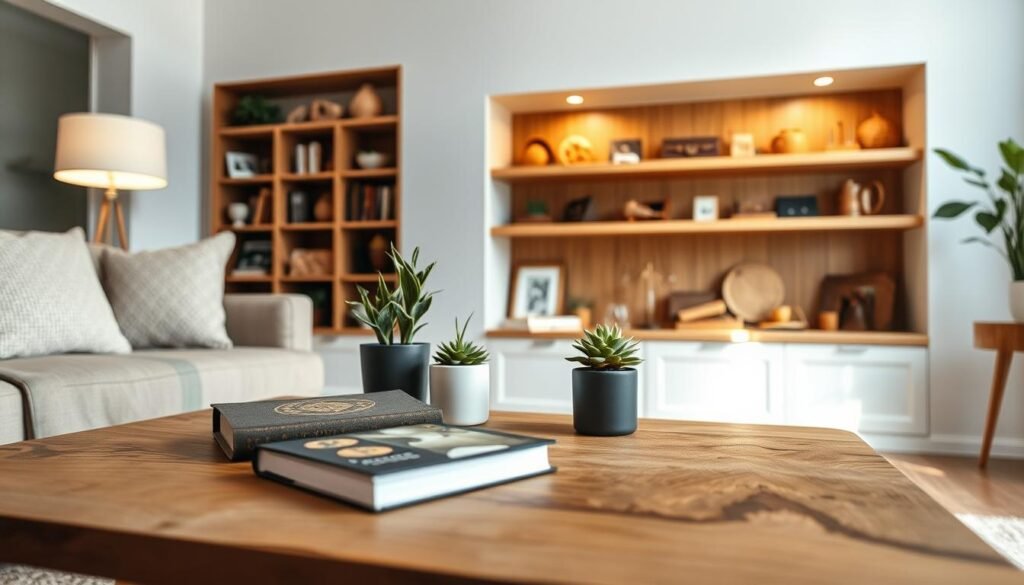
Finishing and texturing your wood is key to ensuring it fits seamlessly into your living space. Use stains or paints to match your home’s color scheme, and sand surfaces for a smooth, polished look. These small details make a big difference in the final result.
Integrating DIY projects into your home not only enhances its functionality but also creates a personalized and inspiring environment. Each piece becomes a reflection of your creativity and effort, making your space truly unique. So, grab your tools and start building—your home will thank you!
Time & Budget Considerations: Planning Your Project
Planning your time and budget effectively can make or break your DIY project. Without a clear plan, you risk overspending, missing deadlines, or even abandoning the project altogether. I’ve learned that careful preparation is the foundation of every successful build, whether it’s for your family or personal use.
Budget Planning Strategies
Keeping costs down starts with smart material usage. I always calculate the exact amount of wood and supplies needed, adding 20% extra to account for waste or mistakes. Shopping during sales or using reclaimed materials can also save money without compromising quality.
Here’s a quick guide to cost-saving strategies:
| Strategy | Benefit |
|---|---|
| Plan Material Usage | Reduces waste and unnecessary purchases |
| Shop Sales | Lowers overall project costs |
| Use Reclaimed Materials | Adds character while saving money |
As one builder shared,
“A well-planned budget ensures you get the most out of every dollar spent.”
Time Management Tips
Breaking your project into manageable phases is key to staying on track. I start by listing all the steps, from cutting materials to finishing touches. Allocating specific time slots for each task helps me stay focused and avoid burnout.
Here are some time-saving tips:
- Set realistic deadlines for each phase of the project.
- Use a checklist to track progress and stay organized.
- Take breaks to maintain focus and avoid mistakes.
Balancing quality with cost is another important aspect. I always aim for high standards without overshooting my budget. This approach has helped me complete several DIY projects successfully, even when working at an advanced level.
By planning your time and budget wisely, you can steadily build your skills while maintaining a realistic timeline. Whether it’s a project for your family or personal growth, these strategies will ensure your DIY project is both enjoyable and rewarding.
Build Your Intermediate Woodworking Project Today
Crafting with your hands brings a sense of fulfillment that’s hard to match. Throughout this guide, I’ve shared how detailed planning, the right tools, and a touch of creativity can transform any build into a masterpiece. Whether you’re using a table saw or other essential tools, every project requires dedication and passion.
Remember, the key to success lies in preparation. You’ll need a clear plan, the right materials, and a bit of patience to bring your ideas to life. Revisit specific sections for tips on tool selection, workspace setup, and advanced techniques to refine your skills.
Take your next step with confidence. With the right tools and a solid plan, you’ll create pieces that not only enhance your space but also bring you joy. Happy building!
FAQ
What tools do I need to start a DIY project?
You’ll need basics like a saw, hammer, measuring tape, and sandpaper. For more advanced tasks, a table saw or router can be helpful. Always check your project plan for specific tool requirements.
How do I choose the right wood for my project?
Consider the project’s purpose and location. For indoor decor, reclaimed wood or pallet boards work well. For outdoor items, opt for moisture-resistant materials like cedar or pressure-treated wood.
How can I make my workspace more functional?
Keep your tools organized with a storage rack or cabinet. Ensure proper lighting and ventilation. A sturdy workbench at the right height makes a big difference too.
What’s the best way to plan my time for a project?
Break your project into smaller steps and estimate the time for each. Allocate extra hours for unexpected delays. Planning ahead helps you stay on track.
How do I ensure safety while working with tools?
Always wear safety gear like goggles and gloves. Keep your workspace clean and free of clutter. Follow the manufacturer’s instructions for each tool.
Can I use pallet wood for indoor furniture?
Yes, but make sure to clean and sand it thoroughly. Check for nails or splinters. Reclaimed wood adds a rustic charm to decor pieces like shelves or tables.
What’s a good beginner-friendly project to start with?
A simple shelf or storage box is a great way to build confidence. These projects require basic tools and materials, making them perfect for practice.
How do I maintain my tools for long-term use?
Clean tools after each use and store them in a dry place. Sharpen blades regularly and check for wear. Proper maintenance extends their lifespan.
What’s the best way to add a personal touch to my projects?
Customize with paint, stains, or decorative elements. Adding unique details like carvings or patterns makes your piece stand out.
How can I incorporate my projects into my home decor?
Match the style and size of your project to your living space. A well-placed bookshelf or entryway table can enhance the room’s functionality and aesthetics.