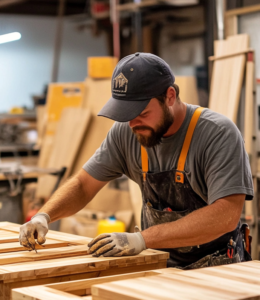

Did you know that over 70% of people feel more satisfied with their bedroom when it includes custom furniture? That’s why I decided to take on the challenge of creating my own bed frame. It’s not just about saving money—it’s about crafting a piece that fits my space and style perfectly.
This DIY project is more than just a build; it’s a chance to bring my vision to life. From selecting the right wood to assembling the headboard, every step is an opportunity to create something unique. I’m excited to share this journey with you, offering practical tips and detailed guidance.
In this guide, you’ll learn how to choose the best materials, use the right tools, and assemble your frame with ease. Whether you’re a beginner or an experienced builder, this project is designed to be simple and rewarding. Let’s create a piece that transforms your room into a cozy retreat.
Key Takeaways
- Custom furniture enhances satisfaction and personal style.
- This guide covers every step, from material selection to assembly.
- Quality wood and tools ensure a sturdy and durable build.
- The design is tailored to fit your space perfectly.
- This project is beginner-friendly and rewarding for all skill levels.

Project Overview and Inspiration
Building my own furniture was something I’d always dreamed of, and this project made it a reality. I started with a simple idea: create a piece that reflects my style and fits perfectly in my room. The journey was filled with learning, creativity, and a sense of accomplishment. I also learned a lot when building my nightstand woodworking project.
My Personal Journey to Building a Bed Frame
When I first decided to take on this build, I was both excited and a little nervous. I spent hours researching DIY plans online, drawing inspiration from various designs. I wanted something sturdy, stylish, and tailored to my needs. The process taught me patience and the value of careful planning.
One of the most rewarding parts was selecting the materials. I chose quality wood that would last for years. Seeing the raw lumber transform into a functional piece was incredibly satisfying. It’s amazing how a few pieces of wood can come together to create something so beautiful. I found this out when using my woodworking table plans.
Benefits of Creating Your Own Furniture
There’s something special about building your own furniture. It’s not just about saving money—it’s about creating a piece that’s uniquely yours. You have complete control over the design, ensuring it matches your style and fits your space perfectly.
Here are some key benefits I discovered:
- Creative Freedom: You can customize every detail, from the headboard to the slats.
- Cost-Effective: Building your own piece can save you hundreds compared to store-bought options.
- Quality Materials: You choose the best wood and hardware for a durable build.
“DIY projects aren’t just about the end result—they’re about the journey and the skills you gain along the way.”
This project was more than just building a bed frame. It was an opportunity to learn, grow, and create something I’m proud of. If you’re considering a similar project, I encourage you to take the leap. The rewards are worth it.
| Material | Cost |
|---|---|
| Pine Wood | $98 |
| Cedar Wood | $221 |
| Hardware (Screws, Nails) | $46 |
Materials and Tools: What You’ll Need
When I started this project, I knew having the right materials and tools would make all the difference. A successful build depends on quality supplies and the right equipment. Let’s break down everything you’ll need to create a sturdy and stylish piece.

Essential Lumber and Hardware Selections
Choosing the right lumber is critical for durability. I recommend using fir or pine for the posts and boards. These types of wood are strong, affordable, and easy to work with. Always check for straight boards without cracks or knots. Otherwise, you’ll need to price woodworking projects at a lower rate.
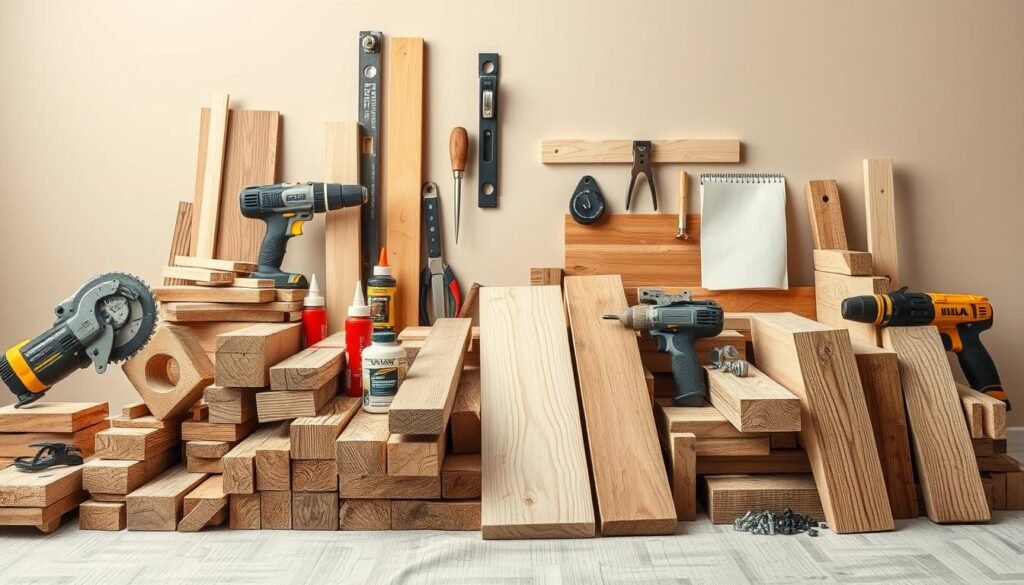
For hardware, you’ll need structural screws, wood glue, and finish nails. These ensure a secure and long-lasting build. Here’s a quick list of the essentials:
- Lumber: 4×4 posts, 2×6 boards, and 1×4 slats.
- Hardware: 2-inch wood screws, 1 1/4-inch finish nails, and wood glue.
Key Tools from Table Saw to Impact Driver
Having the right tool makes the process smoother and more enjoyable. A table saw and miter saw are essential for precise cuts. A router helps create rounded edges, while a drill and impact driver ensure secure fastening.
Here’s a list of tools I found indispensable:
- Table saw for straight cuts.
- Miter saw for angled cuts.
- Router for smoothing edges.
- Drill and impact driver for assembly.
| Material/Tool | Purpose |
|---|---|
| Fir Lumber | Main structure and slats |
| Structural Screws | Securing joints |
| Table Saw | Precision cutting |
| Impact Driver | Fastening hardware |
Before starting, double-check your inventory. Having everything ready ensures a smooth workflow and a rewarding DIY experience.
Preparing Lumber: Shaping and Squaring for Success
Getting the lumber ready is the foundation of any successful build. Properly squaring and shaping your materials ensures a smooth and professional finish. This step is crucial for creating a sturdy and polished piece that fits your DIY vision.
Techniques for Squaring 4×4 Posts
Start by running your 4×4 posts through a thickness planer. This removes any irregular surfaces and ensures uniformity. Next, use a table saw to trim the posts to the desired size. Always verify measurements with a rafter square and tape measure for accuracy.
Here are some tips to avoid common mistakes:
- Check for twists using winding sticks before cutting.
- Use a sharp blade to prevent uneven surfaces.
- Double-check measurements to avoid excess material removal.

Using Your Router for Rounded Edges
Adding rounded edges to your posts and rails gives your bed frame a stylish and polished look. I used a router with a 1/4-inch roundover bit for this step. It’s a simple yet effective way to enhance the design.
Here’s how I did it:
- Secure the lumber firmly to prevent movement.
- Run the router along the edges at a steady pace.
- Sand the edges lightly for a smooth finish.
| Tool | Purpose |
|---|---|
| Thickness Planer | Flattening and smoothing lumber |
| Table Saw | Trimming posts to size |
| Router | Creating rounded edges |
Taking the time to prepare your lumber properly pays off in the long run. It ensures a clean, professional finish and makes the assembly process much smoother. With these techniques, you’ll be one step closer to creating a piece you’re proud of.
Precise Measurements and Custom Cut Lists
Accuracy is the cornerstone of any successful DIY project. When I started building my bed frame, I quickly realized how important precise measurements are. A small error can lead to wasted materials or a piece that doesn’t fit your space. That’s why I took extra care to measure my room and mattress before making any cuts.
Determining Dimensions and Mattress Size
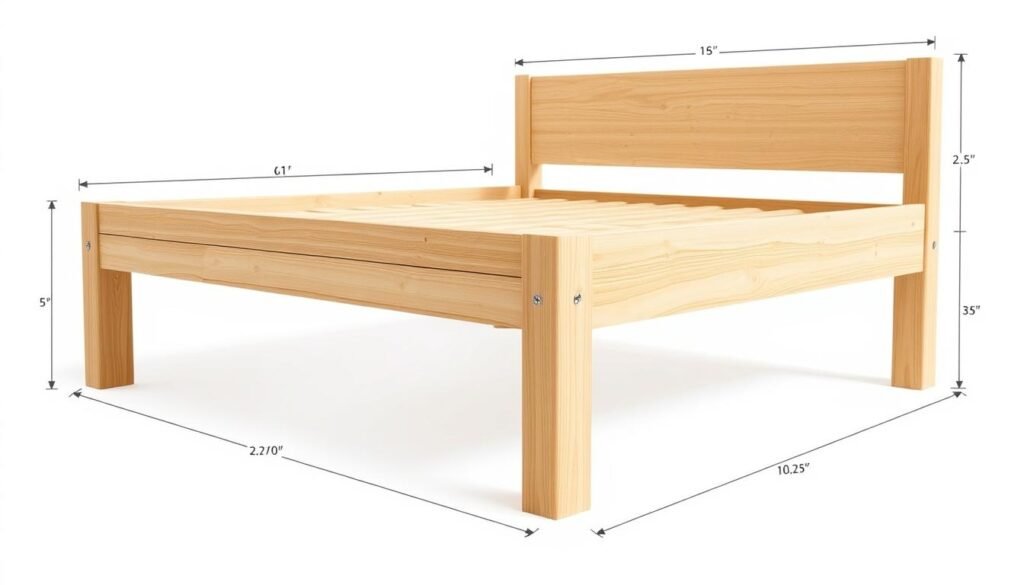
Start by measuring your mattress and the space where the frame will go. For my project, I chose a queen-size mattress, which is 60 inches wide and 80 inches long. This helped me determine the dimensions for the side rails and legs. I also considered the height of the headboard to ensure it complemented the room’s design.
Here’s how I approached it:
- Measure the mattress width and length.
- Add extra inches for clearance and design elements.
- Verify the measurements twice to avoid mistakes.
Creating a Detailed Cut List
Once I had the dimensions, I created a detailed cut list. This included the lengths for the side rails, legs, and inner components. For example, the side rails were cut to 80 inches, while the legs were 16-1/4 inches with 15-degree angles. Planning each cut in advance minimized waste and ensured precision.
Here’s a breakdown of my cut list:
| Component | Dimensions |
|---|---|
| Side Rails | 80 inches |
| Legs | 16-1/4 inches (15-degree angles) |
| Inner Side Rails | 70 inches |
| Cross Rails | 60 inches |
Before cutting, I marked each piece with a pencil and double-checked the measurements. This step saved me time and resources during the build. I also made sure to understand the design thoroughly, so all pieces fit together seamlessly.
“Taking the time to measure and plan ensures a smooth build and a professional finish.”
By approaching this step methodically, I was able to create a piece that fits perfectly in my room. Whether you’re a beginner or an experienced builder, precise measurements and a detailed cut list are essential for success.
Mastering Joinery: Creating a Sturdy Frame
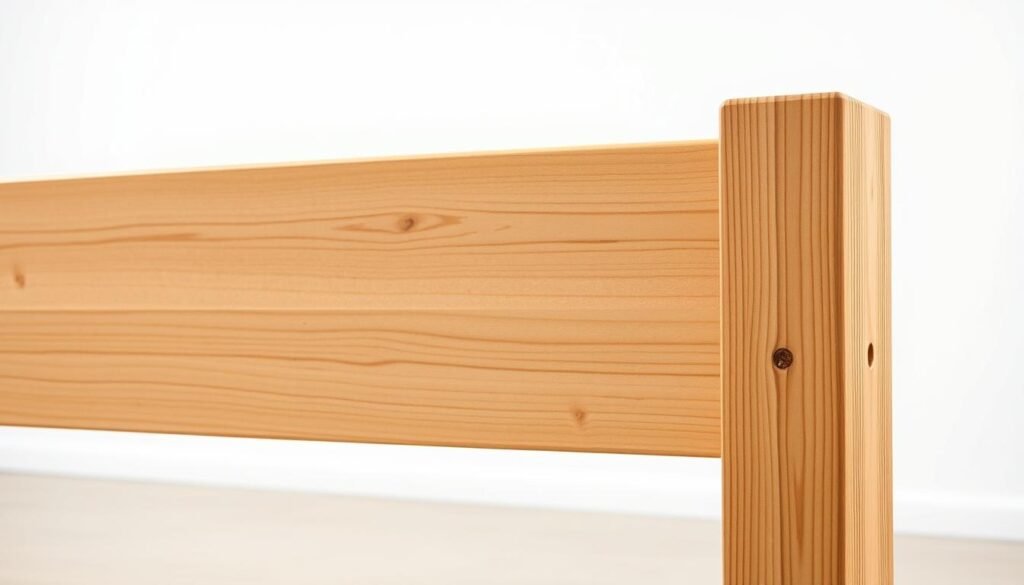
Creating a sturdy frame starts with mastering the art of joinery. For my DIY project, I chose half lap joints because they provide a strong, seamless connection. These joints are ideal for building a bed frame that’s both durable and visually appealing.
Understanding Half Lap Joints
Half lap joints involve removing half the thickness of two pieces of wood so they fit together perfectly. This creates a large surface area for glue, making the joint incredibly strong. I used a circular saw and miter gauge to cut these joints with precision.
Here’s how I approached it:
- Mark the joint positions carefully using a pencil and square.
- Make multiple passes with the circular saw to avoid splintering.
- Test fit each joint and adjust as needed for a snug fit.
Tips for Custom-Fit Joinery
Custom-fit joinery ensures every piece aligns perfectly. I found that patience and attention to detail are key. Here are some tips I learned during my project:
- Use a miter gauge for angled cuts to maintain accuracy.
- Apply wood glue evenly and clamp the joints securely.
- Allow the glue to dry completely before moving to the next step.
One of the most important lessons was to create joints that are snug but not overly tight. This allows for slight adjustments during assembly, ensuring a perfect fit.
“The strength of your frame lies in the precision of your joinery. Take your time, and the results will speak for themselves.”
By mastering these techniques, I was able to build a piece that’s both sturdy and beautiful. Whether you’re a beginner or an experienced builder, these tips will help you achieve professional results.
Assembling the Inner Frame and Leg Components
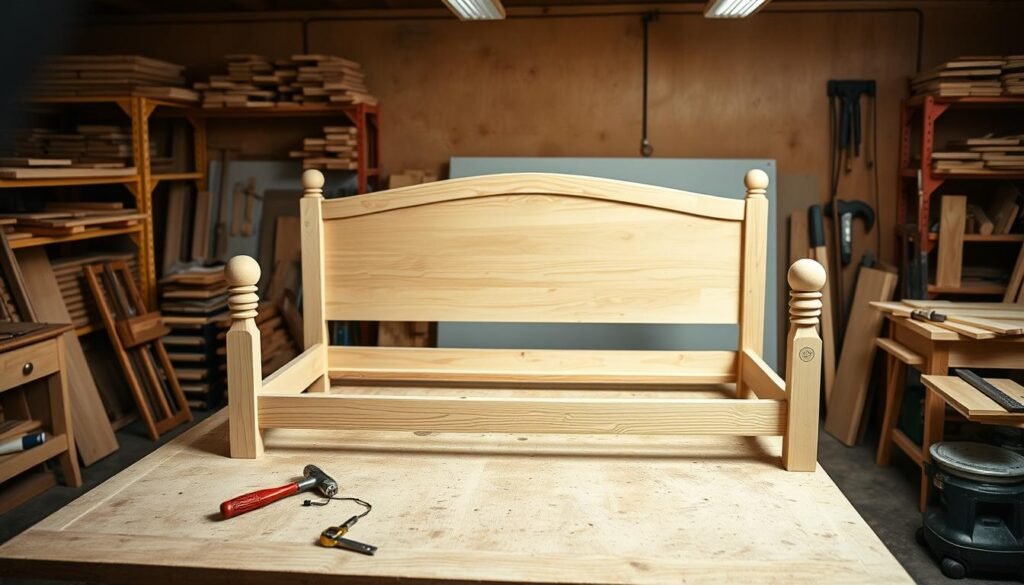
Assembling the inner components is where the project truly comes together. This step transforms individual pieces into a cohesive and functional unit. I started by aligning the side rails and leg components, ensuring everything fit perfectly before securing them.
Side Rail and Leg Assembly Techniques
First, I test-fitted the joints to confirm alignment. Using clamps, I held the side rails and legs in place while applying wood glue. This ensured a strong bond before drilling. Temporary screws helped maintain alignment while the glue dried.
Here’s how I approached it:
- Align the side rails and legs carefully.
- Apply wood glue evenly to the joints.
- Use clamps to hold pieces together securely.
Drilling Pilot Holes for Secure Fastening
Drilling pilot holes is essential for preventing wood from splitting. I marked the locations precisely and used a drill bit slightly smaller than the screws. This step ensured a clean and secure fastening process.
Here are some tips I found helpful:
- Mark hole locations with a pencil and square.
- Drill pilot holes at a steady speed.
- Use offcut supports to maintain alignment during drilling.
“Taking the time to assemble carefully ensures a sturdy and polished final product.”
This step is critical for creating a durable and visually appealing bed frame. By following these techniques, you’ll achieve a professional finish that enhances your DIY experience.
Finishing Touches: Sanding, Staining, and Final Assembly
The final steps of my project brought everything together, transforming raw materials into a polished piece of furniture. This stage is where the DIY project truly shines, as careful attention to detail ensures a professional finish. From sanding to staining, each step adds to the durability and beauty of the final product.
Surface Preparation and Wood Finishes
I started by sanding the entire surface with 220-grit sandpaper to remove rough spots and imperfections. This step is crucial for achieving a smooth finish, especially before applying any stain or paint. For softwoods, I used a wood conditioner to ensure even absorption of the stain.
Here’s how I approached the finishing process:
- Sanding: Progress from 80-grit to 220-grit for a smooth surface.
- Staining: Apply a wood conditioner first, then use a water-based stain for quick drying.
- Clear Coat: Add 3-4 coats of polyurethane, sanding lightly between coats.
Installing Slats and Securing the Mattress Support
Once the finish was complete, I installed the slats evenly across the inner frame. This step ensures proper mattress support and prevents sagging. I used a combination of screws and wood glue to secure the slats firmly in place.
Here are some tips I found helpful:
- Measure and mark the slat positions carefully.
- Use a level to ensure even spacing.
- Secure each slat with screws for added stability.
“The finishing touches are what elevate a DIY project from functional to extraordinary. Take your time, and the results will be worth it.”
By focusing on these final details, I was able to create a piece that not only looks great but also stands the test of time. Whether you’re staining or painting, these steps will help you achieve a professional finish that enhances your DIY experience.
bed frame woodworking plans: A Comprehensive How-To Guide
This project was a journey of creativity, precision, and personal satisfaction. From selecting materials to the final assembly, every step taught me something new. Let’s recap the process and highlight the key moments that made this DIY experience so rewarding.
Step-by-Step Process Recap
Starting with material preparation, I carefully chose quality wood and tools. Cutting and shaping the lumber was crucial for a sturdy frame. Precise measurements ensured every piece fit perfectly, while mastering joinery techniques added strength and durability.
Here’s a quick overview of the steps:
- Material Selection: Choose durable wood and the right hardware.
- Cutting and Shaping: Use a table saw and router for clean edges.
- Assembly: Secure joints with wood glue and screws.
- Finishing: Sand, stain, and apply a protective coat.
Key Tips and Troubleshooting
Throughout the project, I learned valuable lessons. For example, always double-check measurements before cutting. Using clamps during assembly ensures tight joints. And sanding between coats of finish creates a smooth, professional look.
Here are some common issues and solutions:
| Issue | Solution |
|---|---|
| Uneven cuts | Use a miter gauge for precision. |
| Loose joints | Apply wood glue and clamp securely. |
| Rough finish | Sand with 220-grit paper before staining. |
Reflections on the DIY Experience
Completing this project was incredibly fulfilling. It’s not just about the final product—it’s about the skills I gained and the pride of creating something with my own hands. If you’re considering a similar project, I encourage you to take the leap. The rewards are worth it.
“DIY projects are more than just builds—they’re opportunities to learn, grow, and create something uniquely yours.”
For more detailed insights, revisit earlier sections of this guide. Each step is designed to help you achieve a high-quality, custom-made bed frame that transforms your space.
Build Your Woodworking Bed Frame
Creating something with your own hands brings a unique sense of accomplishment. This guide has walked you through every step, from selecting materials to adding the final touches. It’s more than just building a bed frame—it’s about crafting a piece that reflects your style and fits your space perfectly.
Reflecting on my journey, I’m reminded of the joy and pride that comes with DIY projects. The process teaches patience, precision, and creativity. By using quality materials and precise techniques, you can create a piece that’s both functional and beautiful.
If you’re new to woodworking, don’t be intimidated. With the right tools and a bit of patience, this project is entirely manageable. I encourage you to take the leap and experience the satisfaction of building something uniquely yours.
Once you’ve completed your bed frame, share your results! Your journey might inspire others to start their own DIY adventure. Thank you for following along, and I hope this guide has empowered you to create a piece that enhances your home.
FAQ
What materials do I need to start my DIY project?
You’ll need lumber like 4×4 posts, plywood, and hardware such as screws and bolts. Don’t forget tools like a table saw, router, and impact driver to shape and assemble everything.
How do I determine the right size for my custom piece?
Start by measuring your mattress size. Add a few inches to the length and width to ensure a snug fit. Custom dimensions make it perfect for your room.
What’s the best way to prepare lumber for building?
Begin by squaring 4×4 posts using a table saw. Use a router to round edges for a polished look. Proper preparation ensures a sturdy and professional finish.
How do I create strong joints for my frame?
Half lap joints are a great option for stability. Measure carefully and use clamps to hold pieces in place while securing them with screws or glue.
What’s the key to assembling the inner frame and legs?
Start with the side rails and attach the legs using pilot holes for secure fastening. This step ensures the structure is solid and durable.
How do I finish my piece for a polished look?
Sand the surface thoroughly to remove rough spots. Apply a wood stain or finish of your choice. Finally, install slats to support the mattress and complete the design.
Can I customize the design to match my bedroom style?
Absolutely! Add a headboard, experiment with different wood finishes, or incorporate unique details. Personalizing the design makes it truly yours.
Where can I find inspiration for my project?
Check out furniture stores, online platforms like Pinterest, or DIY blogs. Seeing different styles can spark ideas for your own creation.